
Its astonishing when you look at the statistics how many transformations are failing. You start to wonder: with all the smart people, frameworks, books, coaches, and the massive budgets poured into these initiatives, why do so many still fall short?
Reflecting on my own years of experience in transformation work, I’ve often asked myself: What makes a transformation truly successful? Why do so many others fail? I didn’t find a clear answer until I came across something called the Plato Beard Puzzle.
Let me explain it with a simple story.
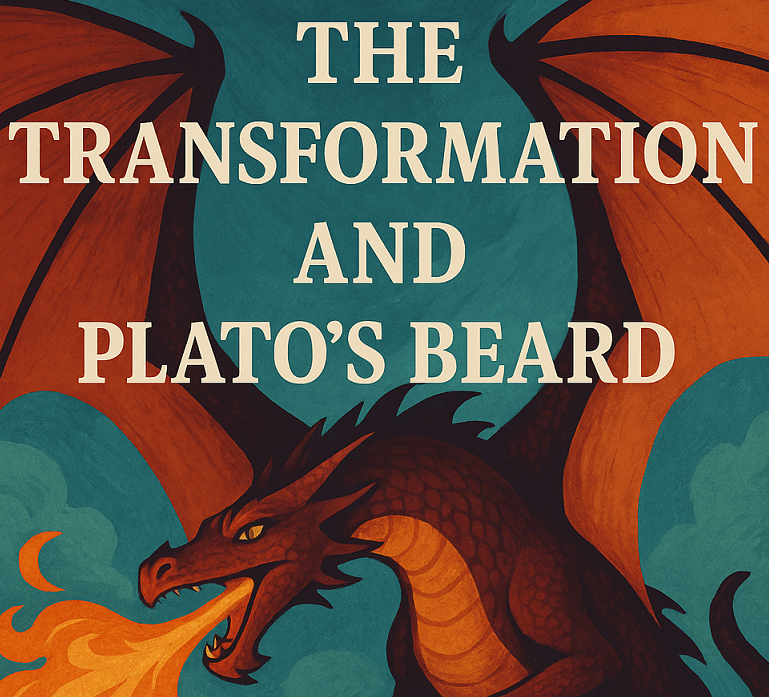
Imagine I ask you to draw a dragon. Design it however you like big wings, breathing fire, lightning speed make it majestic. Then, give your dragon a name. Lets call it Draco.
Now, every time I ask you to tell a story about Draco, you’ll come up with amazing tales how it flies, how it saves the world, how it defeats its enemies with fire.
But here’s the catch: Draco doesn’t exist. And that’s the puzzle were giving meaning to something that doesn’t actually exist. Unless we truly understand what were giving meaning to, we risk building stories around illusions.
Thats exactly what happens in many transformations. We build stories, frameworks, roles, and departments layer after layer of colors and wings without stopping to ask: What is this transformation actually about? Does it even exist in the way we imagine it?
Before giving meaning to transformation, we must first step back and understand what were trying to do and why.
In the next article, Ill dive into a related topic: the difference between the mindset of transformation and the state of mind and why understanding this distinction is critical.
Until then, talk to you soon.
 Imperium Consulting
Leave a comment